Category: Branding
-

Strong brand communities do not happen by chance. They grow when people feel heard, valued, and included over time. Our role is to guide customers toward shared purpose, not just repeat sales. Loyalty forms when trust builds through steady actions and clear intent. People want to belong to something that feels real and useful. A…
-

A personal profile shows the real person behind the business name and logo. It gives customers a clear sense of who they are dealing with from the start. Small businesses often rely on trust more than big brands do. When people know the owner, they feel safer asking questions and making decisions. A profile also…
-

Every brand promise begins the moment someone clicks an ad, a link, or a search result. That first action creates an expectation about quality, ease, and trust. Each step that follows either keeps that promise or slowly breaks it. Strong experiences feel connected from start to finish, not patched together. Customers notice gaps even when…
-

Luxury branding often looks expensive, but it usually starts with smart decisions. A high-end feel comes from clarity, focus, and restraint rather than tools or budgets. When choices feel intentional, people assume quality behind them. Many small brands waste money trying to copy big brands instead of learning from them. The goal is to guide…
-

A brand should make growth feel clearer and more possible. When progress slows, the cause often sits in how the brand looks, sounds, and acts. Many teams sense something is off but cannot name it. Small signs appear before bigger problems surface. By paying attention early, we can fix issues before they affect trust and…
-

A trademark protects the name and logo that people use to recognize your business. It gives legal rights to stop others from using confusingly similar marks. This protection can apply across an entire country, not just one state. Planning ahead helps avoid costly name changes later. Understanding the steps makes the process less overwhelming and…
-
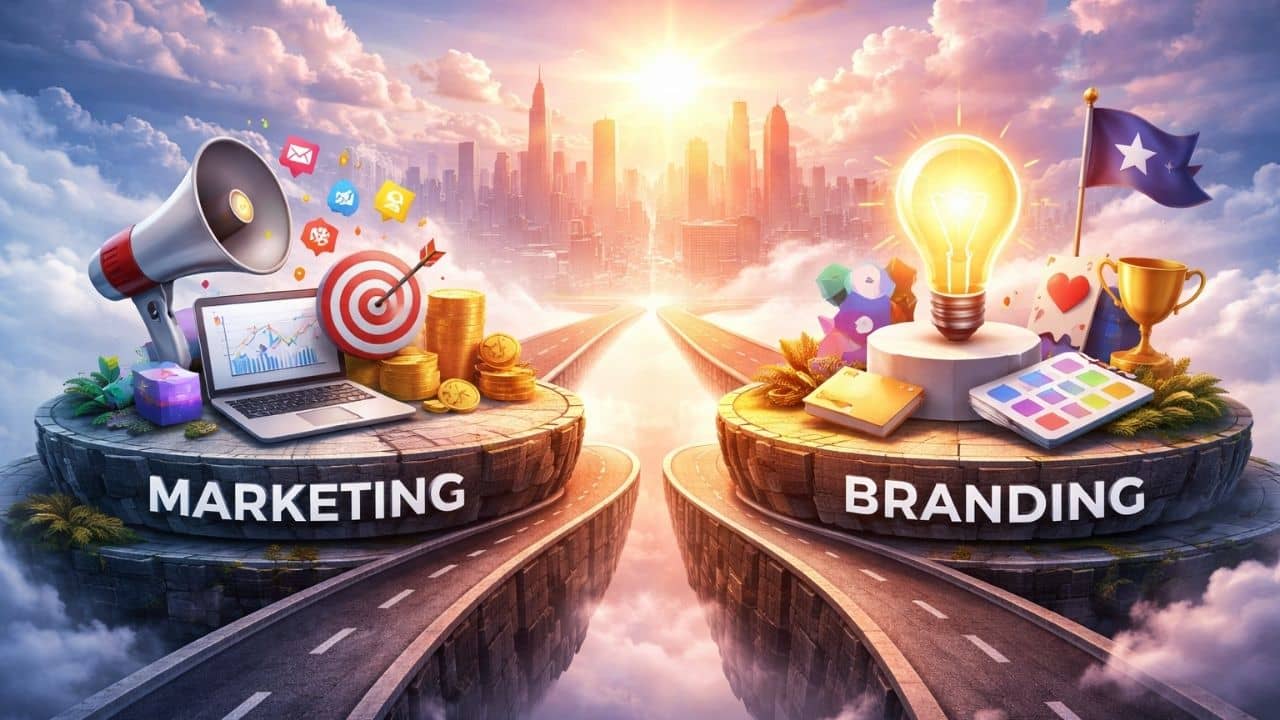
Many startups confuse marketing and branding because both aim to grow the business. Clear thinking helps us decide where to spend time and money first. Marketing focuses on actions that create demand. Branding shapes meaning and trust around the company. When we understand both roles, decisions become easier and more focused. 1. The Tactical “Push”…
-

Effective nonprofit branding helps people quickly understand what a cause does and why it matters. Strong campaigns reduce confusion and make it easier for supporters to take action. By studying proven examples, we can see how clear choices in message and design drive real results. Each example shows how branding supports trust, awareness, and giving.…
-

Brand sentiment shows how people feel when they talk about a brand online. These feelings appear in reviews, social posts, forums, and support messages. By tracking sentiment, we can understand trust, anger, or excitement in real time. Good tools help us see patterns that are hard to catch by hand. Clear insight supports better decisions…
-
A clear brand voice helps people know who you are and what to expect. A steady tone helps messages feel right in different moments. Together, they build trust across every touchpoint. 1. Voice and Tone Distinction Brand voice reflects the stable personality behind all communication. It should sound the same on a website, email, or…